EPISODE 4-Playful Characters and Expressive Storytelling: 7 Powerful Techniques for Creating Unforgettable Visual Personalities in 2027
Discover how expressive character illustration creates memorable brand connections. Learn to build flexible character systems for 2027 commercial applications.
 🔍 COVER PLATE — CLICK TO EXPAND
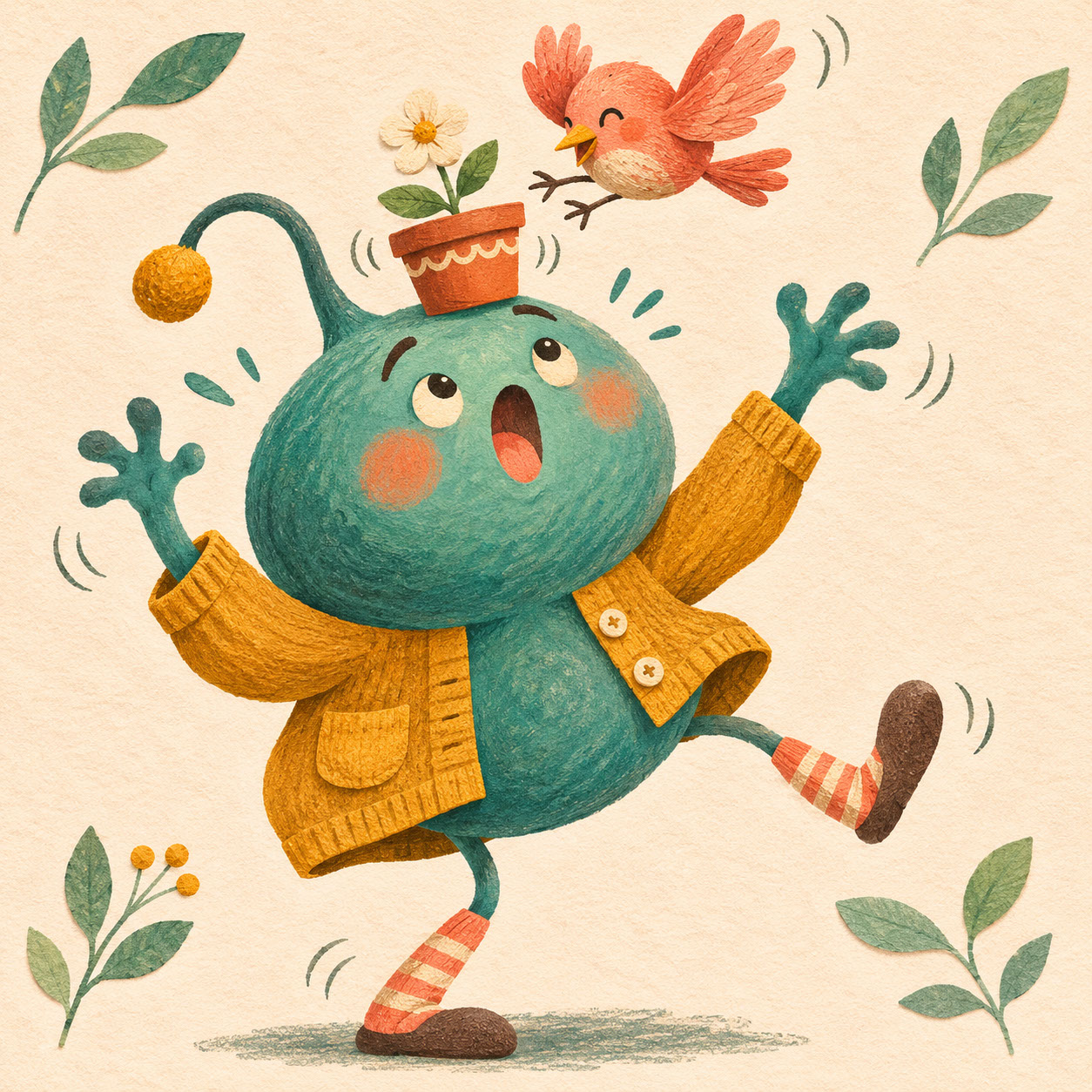
Square hero cover for Episode 4 ('Playful Characters and Expressive Storytelling: 7 Powerful Techniques for Creating Unforgettable Visual Personalities in 2027'): our whimsical pear-shaped teal character in a mustard cardigan and coral striped socks balances a flowerpot on its head as a small coral bird lands.
There's something magical about illustrated characters that stay with us long after we've seen them. Not because they're technically perfect or precisely rendered, but because they feel genuinely alive. A slightly awkward posture, an unexpected expression, or a distinctive pair of patterned socks can make a character more memorable than technical perfection ever could. In 2027, character-led illustration represents one of the most commercially valuable and creatively rewarding directions for visual creativity.
This year marks a significant shift away from generic mascot design towards characters with emotional specificity—figures whose unusual proportions, exaggerated gestures, and distinctive personalities help audiences connect instantly and remember permanently. Whether you're working on packaging, social media content, editorial illustration, or merchandise, understanding how to create expressive characters will open doors across multiple creative industries.
 🔍 PLATE 01 — CLICK TO EXPAND
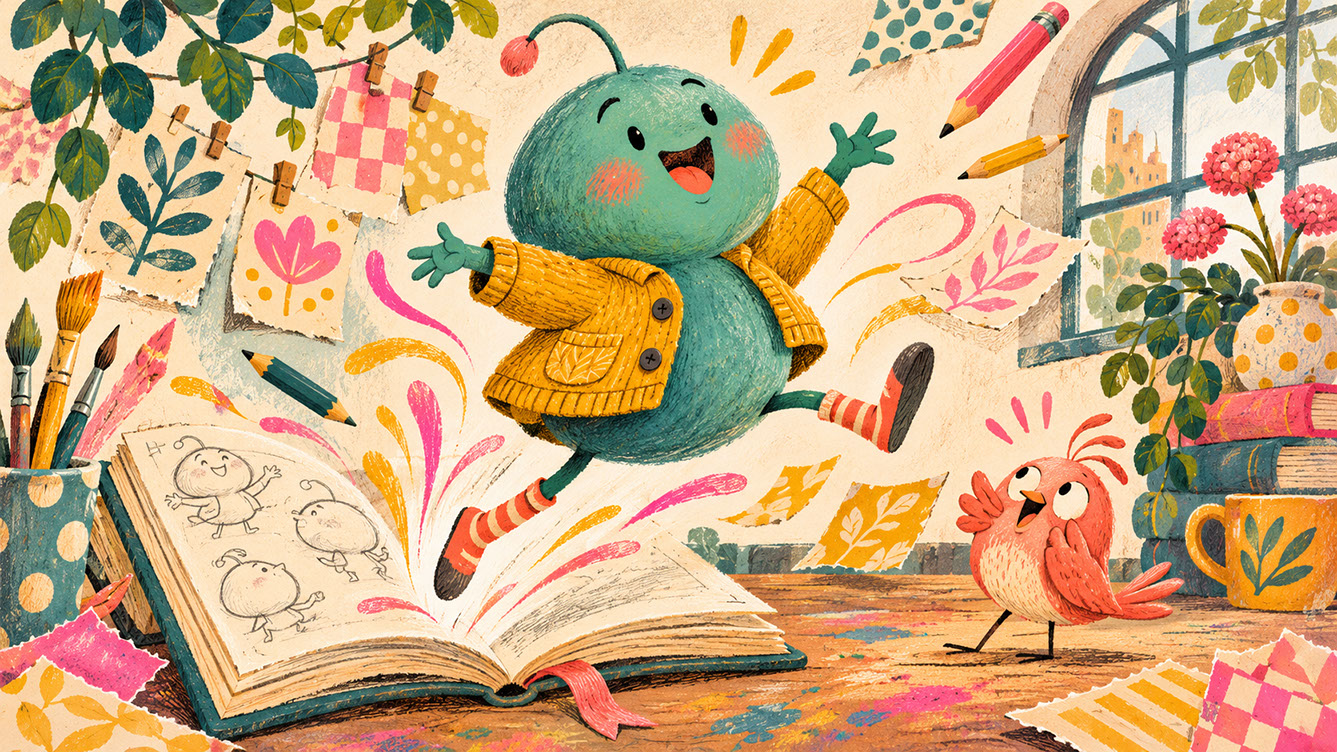
7 Powerful Techniques for 2027 — Lead narrative plate for Episode 4: our recurring pear-shaped teal character leaps exuberantly from an illustrator's sketchbook into a lively studio world of painted botanicals, floating pencils, and a delightfully surprised coral bird companion. Colour Palette: Deep Teal (#134E4A), Warm Coral (#F26A4B), Golden Ochre (#D99B26), Soft Studio Cream (#F6EFE2)
Beyond Polished Mascot Design: The New Character Paradigm
Why Perfect Characters Feel Forgettable
Traditional mascot design has long prioritised brand safety over genuine personality. Symmetrical, smooth, universally appealing characters can feel generic and unmemorable—designed by committee to offend nobody whilst connecting with nobody either. The problem? Audiences increasingly respond to characters that feel like individuals rather than corporate symbols.
The shift towards emotional specificity is transforming character illustration in 2027. Characters with clear, particular personalities create stronger connections than those designed to appeal to everyone. Here's the commercial paradox worth understanding: characters with specific personalities often achieve broader appeal precisely because their distinctiveness makes them memorable.
Consider the range of character personalities gaining traction: charming but slightly awkward, mischievous with a hint of vulnerability, confident yet endearingly odd, gentle with unexpected quirks. These personalities feel more relatable than generic friendliness because they mirror the complexity of real people.
Practical insight: Define your character's specific emotional quality before beginning any visual development. Treat personality as the foundation rather than an afterthought. Ask yourself: what makes this character nervous? What delights them? What small habit defines them?
 🔍 PLATE 02 — CLICK TO EXPAND
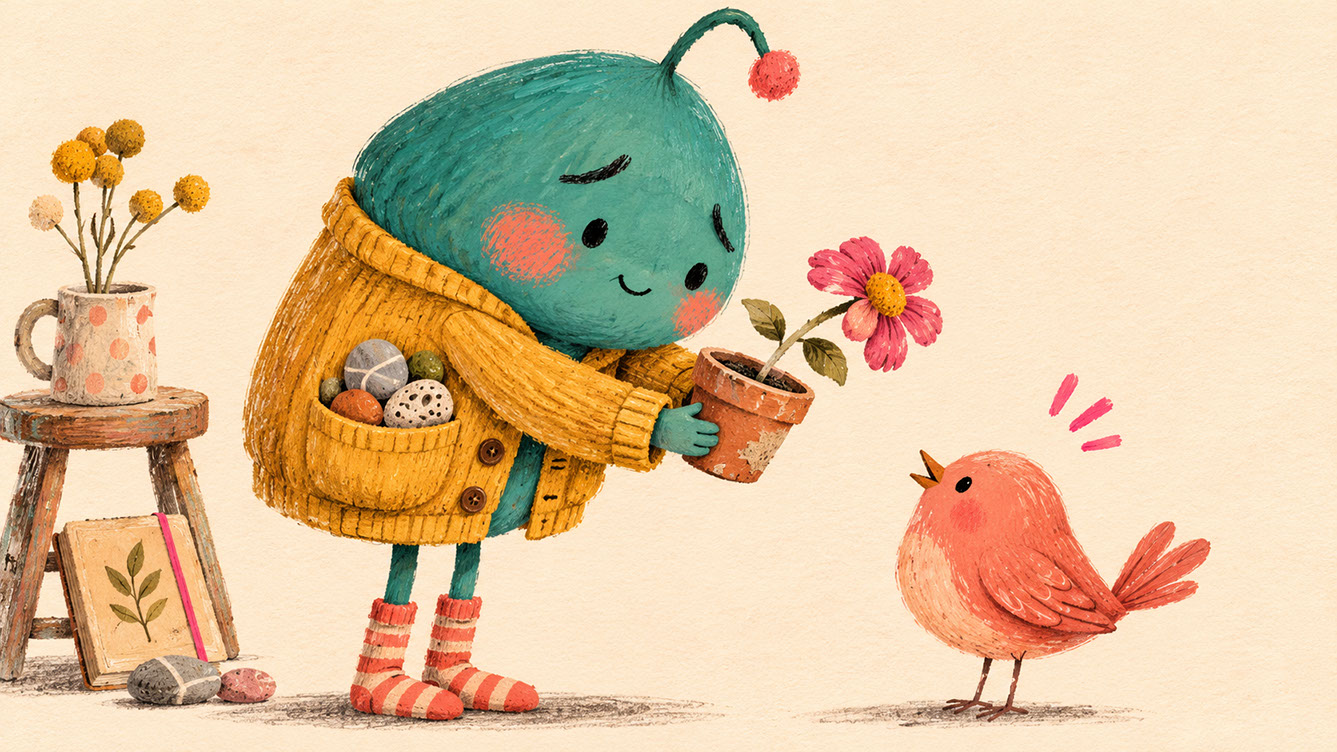
The New Character Paradigm of Vulnerability & Charm — Emotional specificity study for 'Beyond Polished Mascot Design: The New Character Paradigm': the teal creature shyly offers a lopsided potted flower to the coral bird with slightly hunched shoulders and a cardigan pocket full of collected pebbles. Colour Palette: Deep Teal (#134E4A), Warm Coral (#F26A4B), Golden Ochre (#D99B26), Soft Studio Cream (#F6EFE2)
The Visual Language of Expressive Characters
Unusual Proportions, Exaggerated Gestures, and Distinctive Details
The most memorable characters in 2027 break conventional rules intentionally. Slightly oversized heads, tiny hands, elongated limbs, or chunky builds create visual interest that draws the eye. The relationship between proportion choices and character personality runs deep—chunky builds suggest groundedness and reliability, whilst elongated figures convey whimsy and dreaminess.
Exaggerated gestures communicate emotion instantly in ways that realistic poses simply cannot. The difference between realistic gesture and expressive gesture is the difference between documentation and storytelling. Think shoulders dramatically hunched in worry, arms thrown wide in celebration, heads tilted at curious angles. These amplified poses create narrative even in completely static images.
Distinctive clothing and accessories establish character personality and suggest entire worlds. A particular hat, patterned socks, a worn cardigan—these specific choices create memorability far more effectively than generic outfits. The key is consistency: whatever your character wears should remain recognisable across all applications.
Facial features deserve special attention. Creating faces that express a range of emotions whilst remaining recognisable requires finding the balance between distinctive, slightly unconventional features and practical flexibility. Interestingly, simplified features can often be more expressive than detailed ones—think of how cartoon characters communicate emotion through minimal marks.
 🔍 PLATE 03 — CLICK TO EXPAND
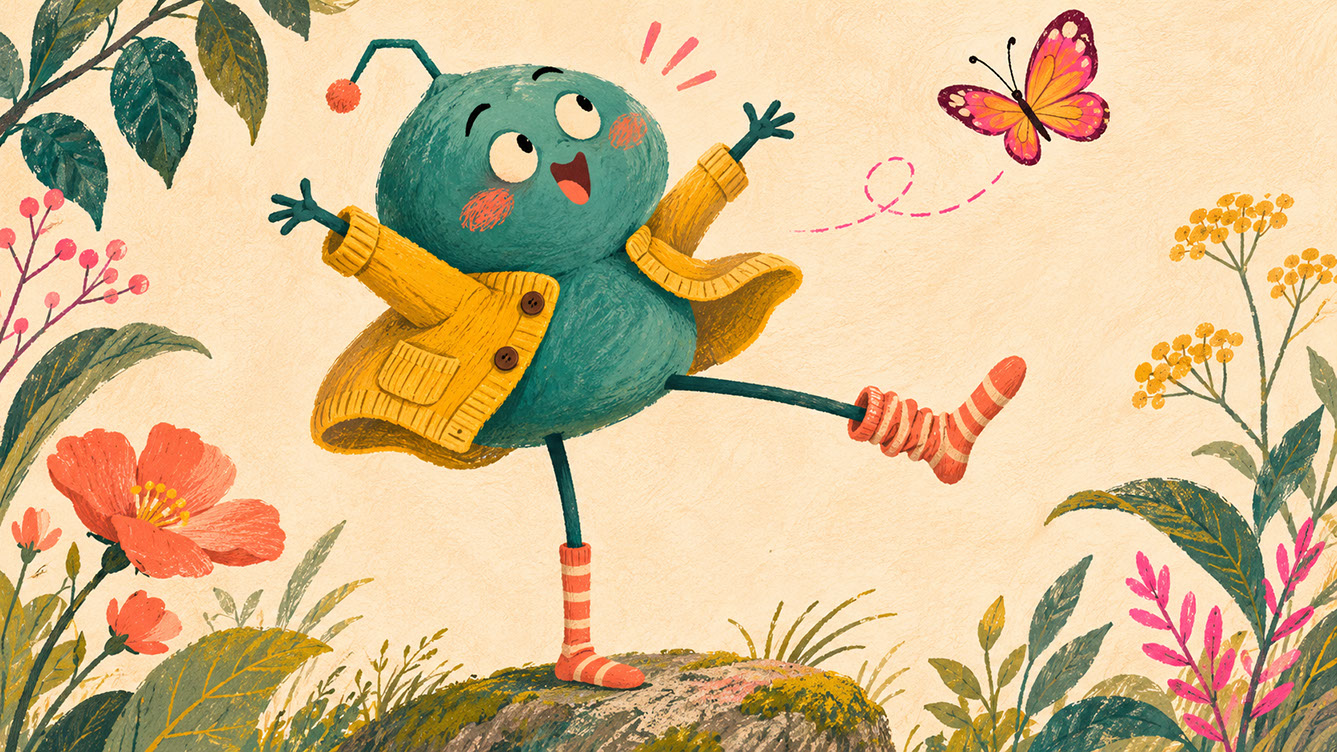
The Visual Language of Expressive Characters — Proportions, Gestures & Distinctive Details — Silhouette and gesture study for 'The Visual Language of Expressive Characters': unusual chunky-body-and-thin-leg proportions, an amplified one-legged balance gesture, a flaring mustard cardigan, and a sagging coral striped sock. Colour Palette: Deep Teal (#134E4A), Warm Coral (#F26A4B), Golden Ochre (#D99B26), Soft Studio Cream (#F6EFE2)
Characters as Miniature Narratives
Telling Stories Within Single Images
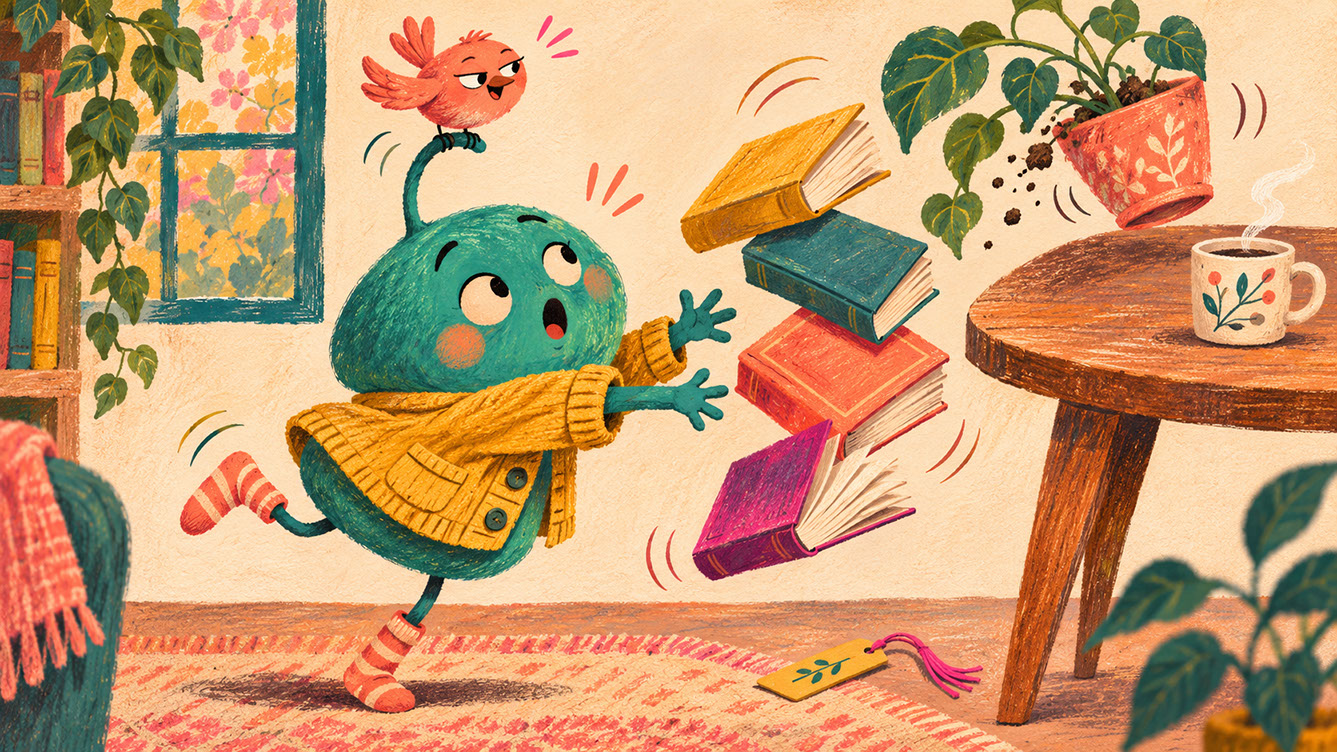
The most engaging character illustrations suggest what happened before and hint at what might happen next. Using pose, expression, and environment together, you can imply entire narratives within a single frame. The secret lies in catching characters mid-action or mid-emotion rather than in neutral, posed positions.
When working with multiple characters, relationship dynamics create richer storytelling possibilities. Visual techniques for showing relationships include proximity (are they close or distant?), eye contact (are they connected or avoiding each other?), mirrored poses (suggesting harmony), and contrasting expressions (suggesting tension or comedy). Creating character pairs or groups with complementary personalities multiplies your storytelling options.
Environmental storytelling amplifies character narratives beautifully. Props and objects suggest character history or interests—a collection of plant pots, stacked books, a well-loved mug. The relationship between character and space creates mood before viewers consciously register why they feel a certain way.
Implied narrative techniques add depth that rewards closer inspection: objects falling or floating suggesting recent action, characters looking at something outside the frame, expressions hinting at internal thoughts, details that reveal character backstory. These elements create higher engagement on social media and more memorable packaging experiences.
 🔍 PLATE 04 — CLICK TO EXPAND
Characters as Miniature Narratives — Telling a Complete Story in a Single Frame — Single-frame storytelling plate for 'Characters as Miniature Narratives': caught mid-action as the mischievous coral bird lands on its antenna, our teal character scrambles to catch a tumbling stack of books beside a wobbling plant pot. Colour Palette: Deep Teal (#134E4A), Warm Coral (#F26A4B), Golden Ochre (#D99B26), Soft Studio Cream (#F6EFE2)
Building Flexible Character Systems for Brand Applications
From Single Illustration to Multi-Touchpoint Visual Identity
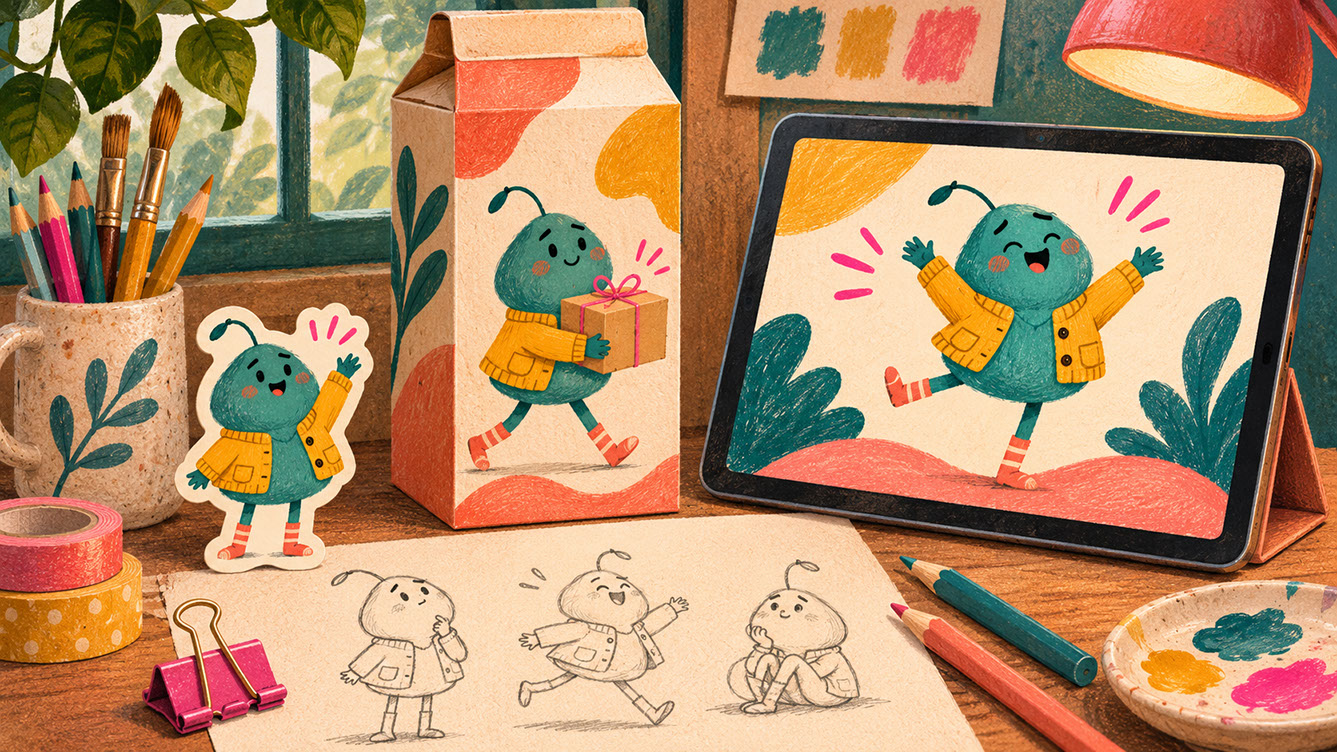
A character system is fundamentally different from a single character illustration. Rather than creating one perfect image, you're developing a flexible toolkit: multiple poses, expression variations, scale adaptations, and supporting elements. Brands increasingly need character systems rather than isolated illustrations because their visual communication spans so many touchpoints.
Core character consistency requires identifying your non-negotiables—the essential elements that must remain constant for recognition. This might include specific colour combinations, distinctive features, signature accessories, or particular proportions. Understanding these elements allows you to simplify or adapt your character whilst maintaining recognition.
Pose libraries form the backbone of any character system. Develop multiple poses for each character: action poses, resting poses, interactive poses. Plan poses that serve specific commercial purposes—holding products, pointing at information, celebrating achievements, expressing various emotional states.
Expression ranges extend your character's versatility. Creating expression sheets showing emotional range helps ensure your character can respond to any context. A typical character system needs expressions covering happiness, surprise, concern, excitement, thoughtfulness, and determination at minimum. The challenge is ensuring all expressions remain recognisable as the same character.
Supporting cast and props expand your storytelling possibilities enormously. Secondary characters that complement the main figure, libraries of props and objects, environmental elements—these components extend what your character can communicate. Build these supporting elements with the same care you give your main character.
Scale considerations deserve early attention in your development process. Characters need to work from favicon size to billboard scale, which means understanding what details to maintain at small sizes and how complexity should adjust based on application. Test your character at multiple scales during development, not after finalisation.
 🔍 PLATE 05 — CLICK TO EXPAND
Building Flexible Character Systems for Brand Applications Across Touchpoints — Brand system plate for 'Building Flexible Character Systems for Brand Applications': the same recurring teal character waves on a square sticker, carries a parcel on a tall carton, and celebrates on a tablet screen while maintaining instant visual recognition. Colour Palette: Deep Teal (#134E4A), Warm Coral (#F26A4B), Golden Ochre (#D99B26), Soft Studio Cream (#F6EFE2)
Commercial Applications Across Industries
Where Expressive Characters Create Impact in 2027
Packaging design benefits enormously from character-led illustration. Characters create shelf standout and emotional connection in crowded retail environments. When designing characters for packaging, consider how they'll work across product lines and variants, and plan the relationship between character and typography from the outset.
Social media and digital content offer natural homes for expressive characters. Characters work brilliantly as reaction images, story elements, and engagement drivers. Creating character content that audiences genuinely want to share means thinking about relatability, humour, and emotional resonance. Animation possibilities for digital platforms extend character work into motion, adding another dimension of expression.
Editorial illustration uses characters as visual commentary in magazines, publications, and online content. Character personality can communicate complex ideas accessibly, making abstract concepts concrete and relatable. The relationship between character and text in editorial contexts requires careful choreography—characters should enhance understanding, not compete for attention.
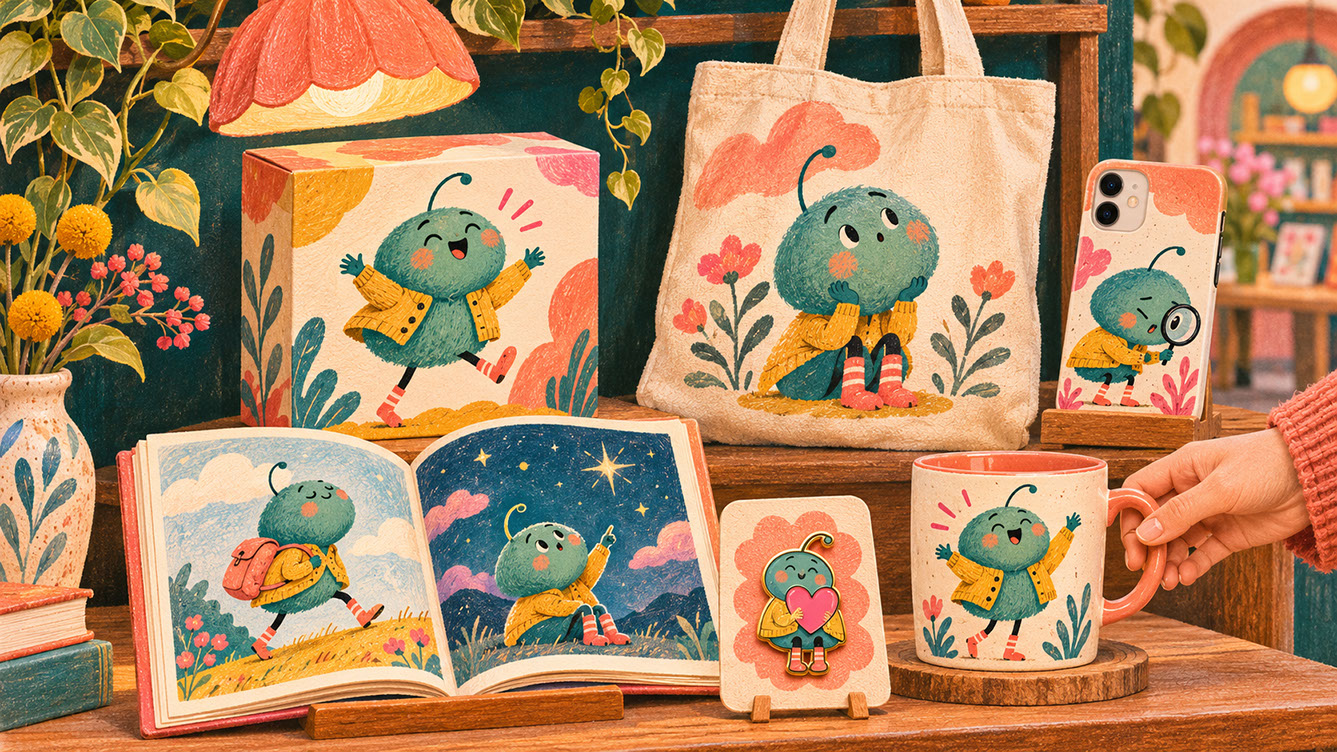
Stickers, merchandise, and products represent growing commercial opportunities for character illustrators. Characters designed for reproduction on physical goods need to consider licensing requirements and consistency across different manufacturing processes. When characters become collectible elements, their appeal multiplies.
Animation and motion represent the next frontier for many character designers. Designing characters with animation in mind from the start—considering how elements might move, which parts could be rigged separately, how expressions might transition—creates more versatile and valuable character work.
 🔍 PLATE 06 — CLICK TO EXPAND
Commercial Applications Across Industries — Packaging, Publishing, Apparel & Merchandise — Merchandising showcase for 'Commercial Applications Across Industries': an independent retail display featuring a packaging box, open picture book, enamel pin, ceramic mug, canvas tote bag, and mobile screen united by the recurring teal character. Colour Palette: Deep Teal (#134E4A), Warm Coral (#F26A4B), Golden Ochre (#D99B26), Soft Studio Cream (#F6EFE2)
Character Design and Pattern Development
The Powerful Relationship Between Characters and Repeating Motifs
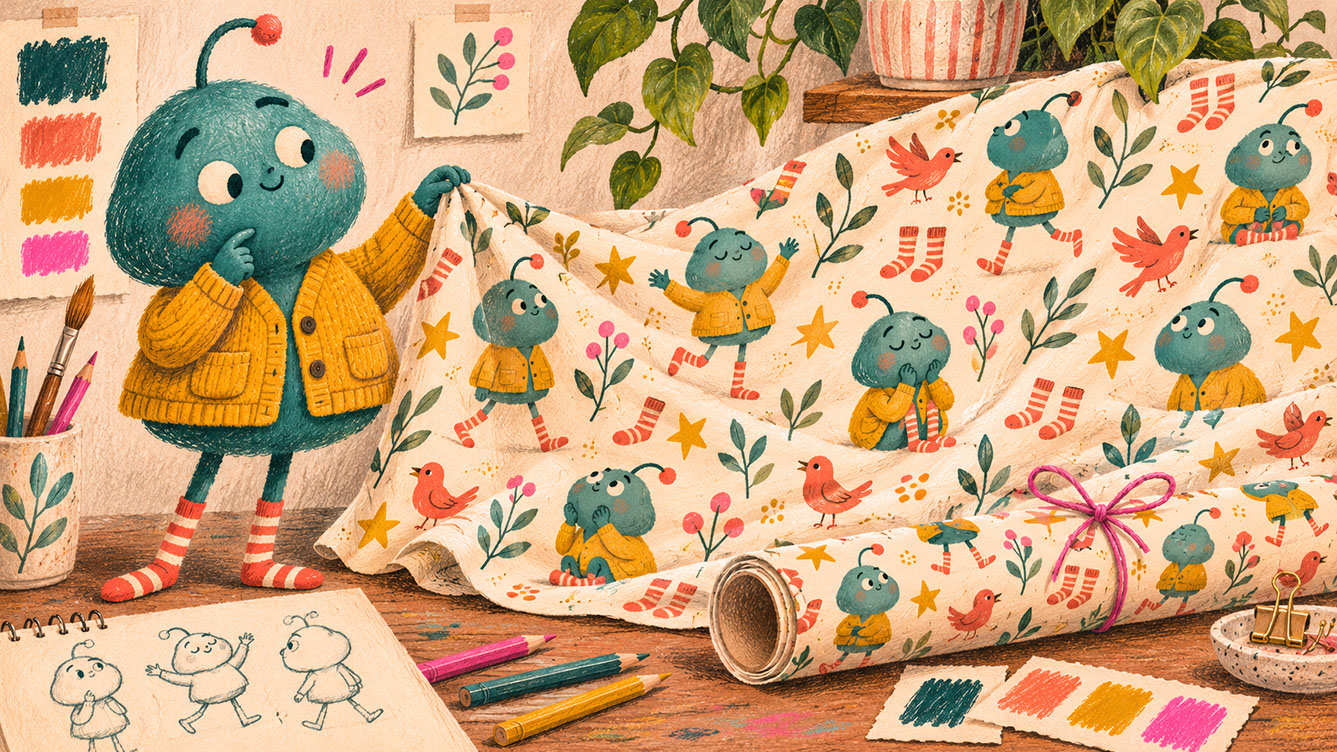
Character elements can become beautiful pattern components when approached thoughtfully. Creating repeat designs that maintain character personality requires balancing character prominence with pattern rhythm. Sometimes full characters work within patterns; other times, extracted elements like accessories, expressions, or props create more successful repeats.
Supporting motifs developed alongside character design—props, accessories, environmental details—become natural pattern building blocks. This approach creates cohesive visual worlds where patterns feel connected to character narratives rather than arbitrary.
Scale and repetition considerations differ significantly from single character illustration. Characters behave differently when repeated, often requiring simplification for pattern contexts. Maintaining personality in reduced or repeated forms demands identifying which elements truly carry character essence.
Commercial applications span textiles and fabric design, stationery and wrapping paper, homeware and product surface design. The hand-drawn character qualities discussed throughout this series connect beautifully with the tactile illustration approaches we explored in Episode 2, creating organic pattern feels that resonate in 2027.
 🔍 PLATE 07 — CLICK TO EXPAND
Character Design and Pattern Development — Bridging Hero Figures with Seamless Repeats — Surface design integration for 'Character Design and Pattern Development': a draped textile and wrapping paper roll feature a rhythmic repeat pattern of simplified teal characters, coral birds, mustard stars, and striped-sock motifs while the full-size character holds a corner of the fabric. Colour Palette: Deep Teal (#134E4A), Warm Coral (#F26A4B), Golden Ochre (#D99B26), Soft Studio Cream (#F6EFE2)
Practical Techniques for Creating Expressive Characters
Step-by-Step Approaches for Genuine Personality
Start with personality, not appearance. Write character descriptions before beginning visual development, defining emotional qualities, quirks, and contradictions. How does your character walk? What makes them laugh? What are they slightly embarrassed about? These personality briefs guide visual choices naturally.
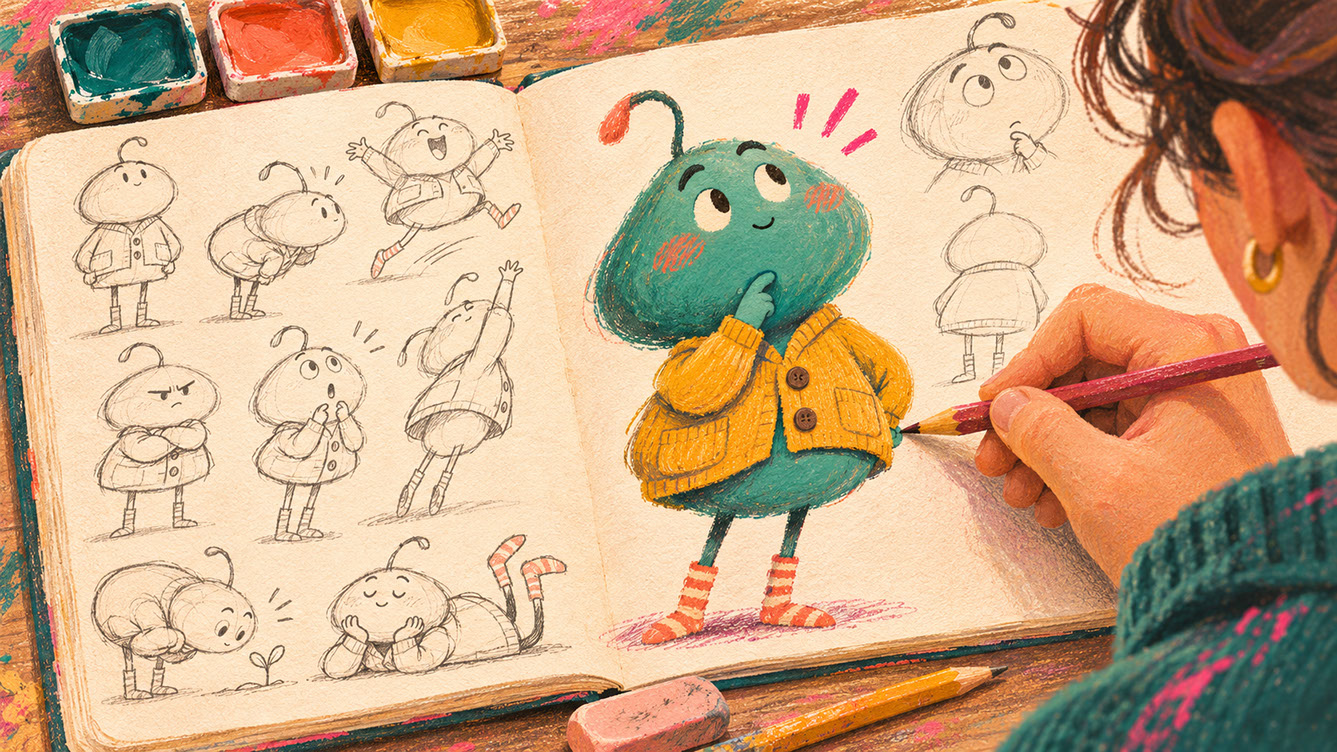
Thumbnail exploration through rapid, rough sketching generates the variety needed for distinctive final results. Explore multiple proportion and posture options freely, knowing that early variety leads to more interesting destinations than starting with a single vision.
The refinement process should move from rough thumbnails to developed characters whilst knowing when to stop refining—before personality gets polished away. Testing characters at different scales during development reveals problems early, when they're easier to address.
Building consistency through model sheets and style guides documents character rules for future reference. Whether you're maintaining character integrity across your own projects or preparing characters for other illustrators to use, this documentation proves invaluable.
Iteration and testing acknowledge that characters evolve through use. Gathering feedback on character appeal and recognition, then refining systems based on commercial application, creates characters that genuinely work in real-world contexts.
 🔍 PLATE 08 — CLICK TO EXPAND
Practical Techniques for Creating Expressive Characters — Thumbnail Sketching & Refinement — Craft methodology plate for 'Practical Techniques for Creating Expressive Characters': an over-the-shoulder view of an illustrator's hand painting the final teal character surrounded by rapid pencil thumbnail sketches exploring chunky proportions and expressive postures. Colour Palette: Deep Teal (#134E4A), Warm Coral (#F26A4B), Golden Ochre (#D99B26), Soft Studio Cream (#F6EFE2)
Looking Forward
Expressive character illustration offers tremendous creative and commercial opportunities in 2027. By moving beyond polished mascot design towards characters with genuine emotional specificity, unusual proportions, and distinctive personalities, you create work that connects with audiences on a deeper level.
Developing character systems rather than single illustrations—with libraries of poses, expressions, and supporting elements—maximises the commercial value and creative flexibility of your work. Whether you're creating characters for packaging, publishing, digital media, merchandise, or animation, the principles of personality-first development apply.
The expressive colour approaches we explored in Episode 3 enhance character work beautifully, bringing figures to life through bold palettes and emotional contrasts. As we continue this series, character-led illustration will connect with even more creative directions.
Start experimenting with unusual proportions, exaggerated gestures, and distinctive personalities in your own work. The most memorable characters of 2027 won't be the most technically perfect—they'll be the ones with genuine character.
 🔍 PLATE 09 — CLICK TO EXPAND
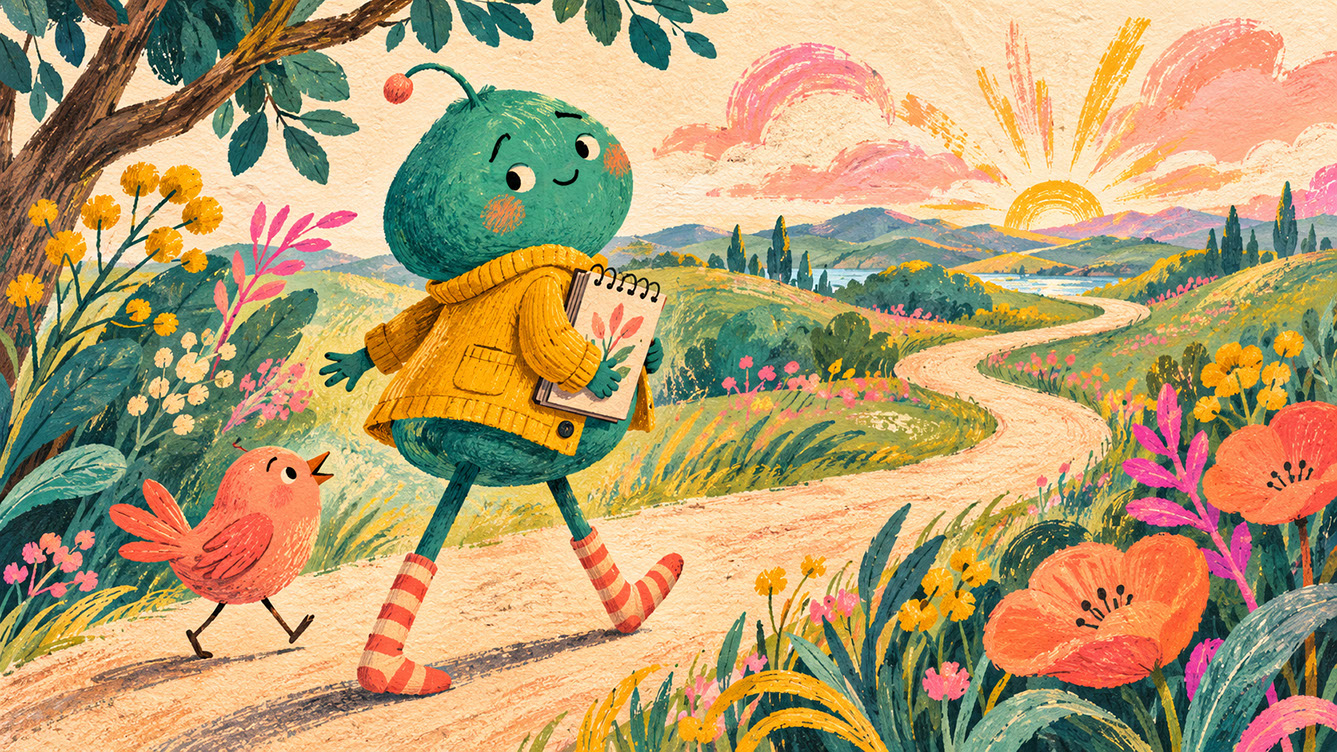
Looking Forward — Why Genuine Character Outlasts Technical Perfection in 2027 — Closing narrative plate for 'Looking Forward': our teal character and coral bird companion stride along a winding paper-textured path toward an open botanical horizon, looking back with an endearingly awkward smile. Colour Palette: Deep Teal (#134E4A), Warm Coral (#F26A4B), Golden Ochre (#D99B26), Soft Studio Cream (#F6EFE2)
⚡ 5 Strategies to Consider
STUDIO PLAYBOOK // 5 DIRECTIVES❓ Frequently Asked Questions — 5 Q&As (5 Q&As)
SCHEMA.ORG/FAQPAGE // 5 Q&As (5 Q&As)Q1. How do I make my characters look distinctive without being strange or off-putting?
Distinctiveness comes from specific, intentional choices rather than randomness. Focus on one or two unusual proportion decisions—perhaps slightly oversized hands or an elongated neck—combined with distinctive clothing details like patterned socks or a signature accessory. Ground unusual features with familiar, relatable expressions and body language. The key is ensuring unusual elements feel purposeful and consistent rather than arbitrary.
Q2. How many poses and expressions do I need to create a workable character system?
A minimum viable character system typically includes five to seven core poses covering standing, sitting, walking, and key emotional reactions, plus eight to ten expressions ranging from happiness and surprise to concern and thoughtfulness. For comprehensive brand applications, expand to fifteen or more poses and additional expression variations. Consider the specific contexts where your character will appear when determining your library scope.
Q3. How do I create characters that appeal to both children and adults?
Focus on layered appeal through simple, engaging forms that work for younger audiences combined with personality nuances and wit that resonate with adults. Avoid condescension whilst maintaining accessibility. Characters with genuine emotional complexity, subtle humour, and distinctive quirks create connections across age groups. The key is treating all audiences as intelligent whilst keeping visual language clear and inviting.
Q4. Should I develop characters for my portfolio even without a specific brief?
Absolutely. Self-initiated character projects demonstrate range, systematic thinking, and creative vision to potential clients. Speculative character work often attracts commercial opportunities because it shows what you can create when given creative freedom. Develop complete character systems including pose libraries and expression ranges to showcase your ability to think beyond single illustrations.
Q5. How do I price character system development versus single character illustrations?
Character systems require significantly more time and deliver greater commercial value than single illustrations, so pricing should reflect both factors. Consider charging for system development as a project rate covering initial character design plus agreed numbers of poses, expressions, and supporting elements. Systems typically command three to five times the rate of single illustrations, with additional poses and expressions priced individually beyond the initial scope.