The Tactile Rig: Why CRT Feedback and Modular Video Synthesis Are Dominating Live Visuals in 2027
Discover why VJs are returning to CRT monitors, LZX modules, and analogue video synthesis. Learn practical techniques for integrating hardware into live rigs.
 🔍 COVER PLATE — CLICK TO EXPAND
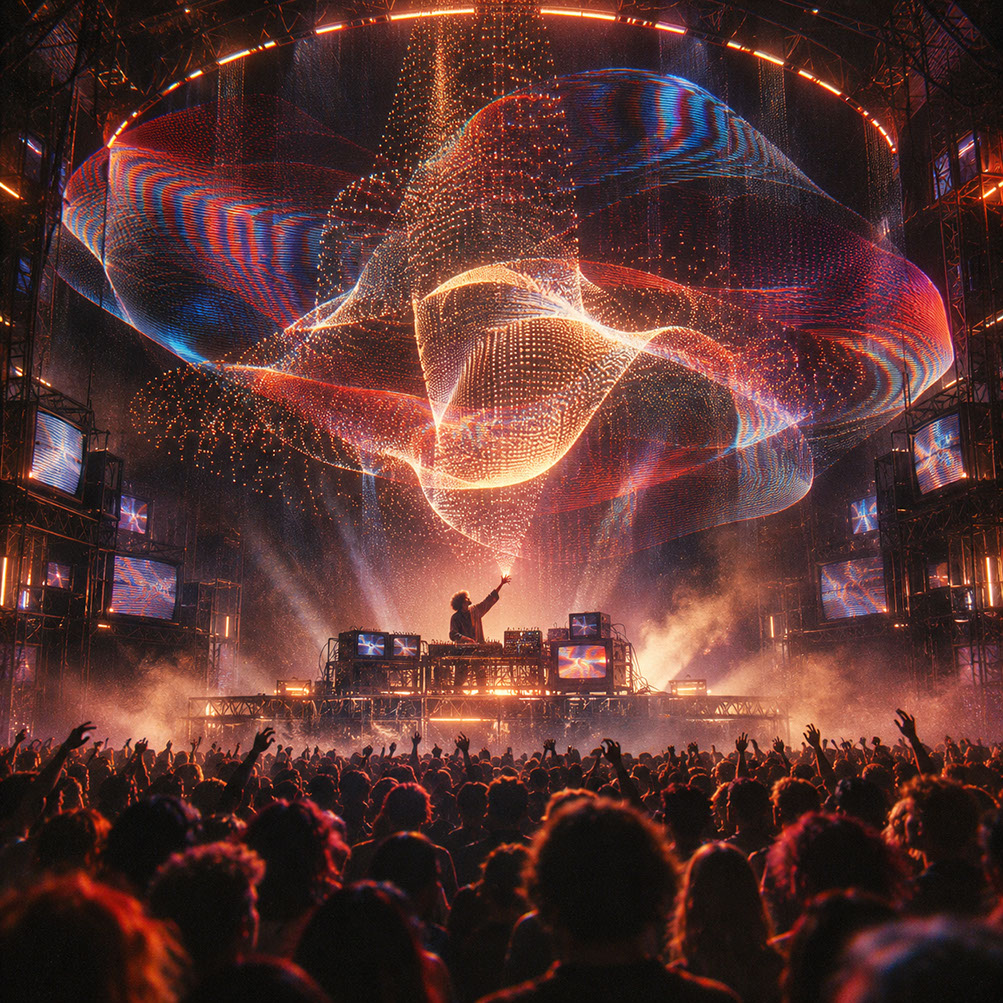
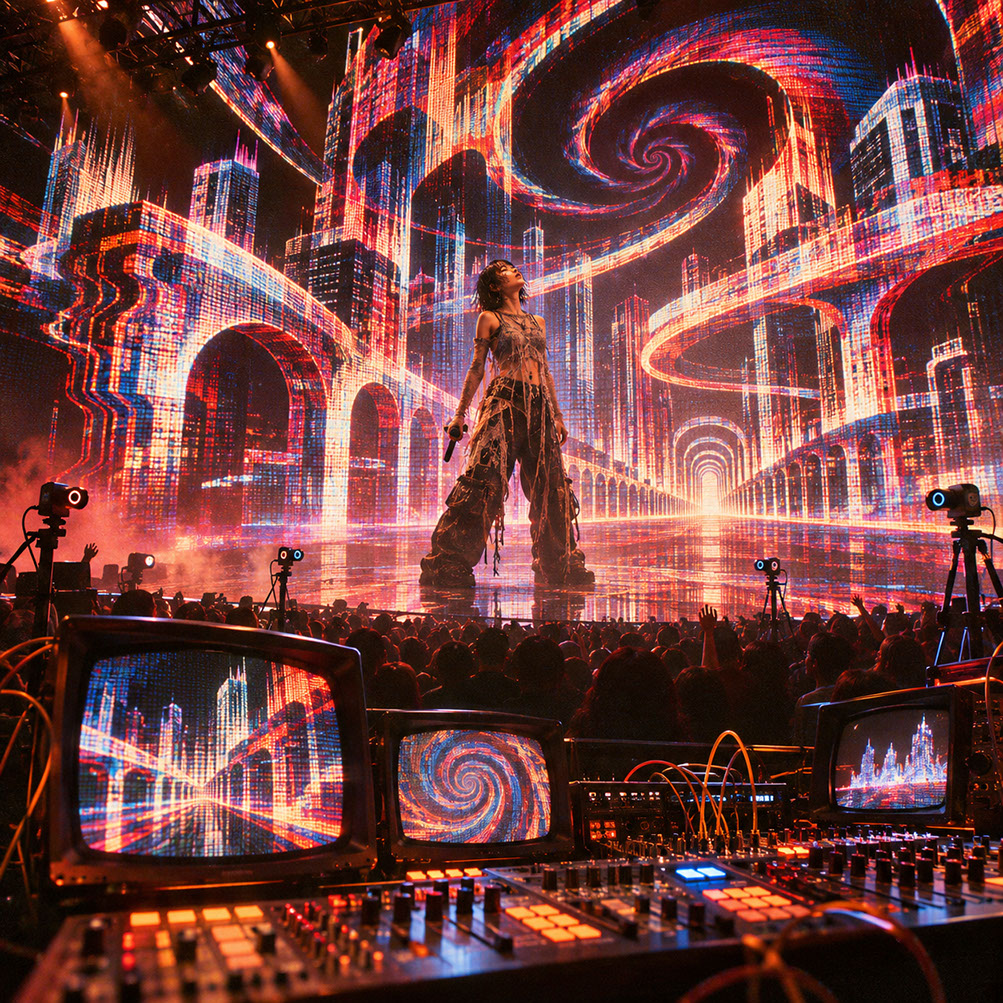
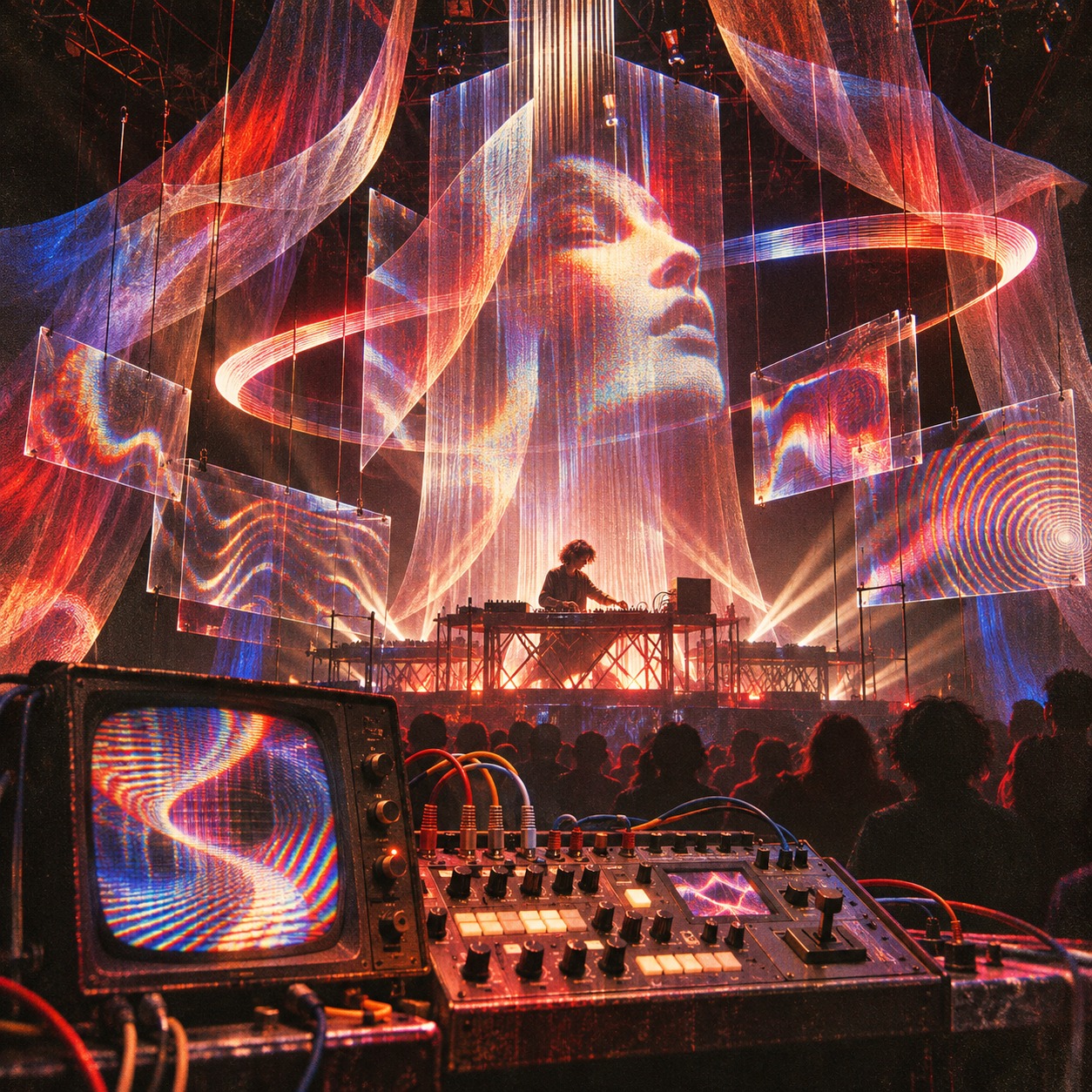
Episode 3 Hero Cover: Tactile analogue video hardware, phosphor scanlines, and voltage-controlled synthesis reclaiming physical presence in 2027 VJ rigs.
Introduction: The Warmth of Imperfection
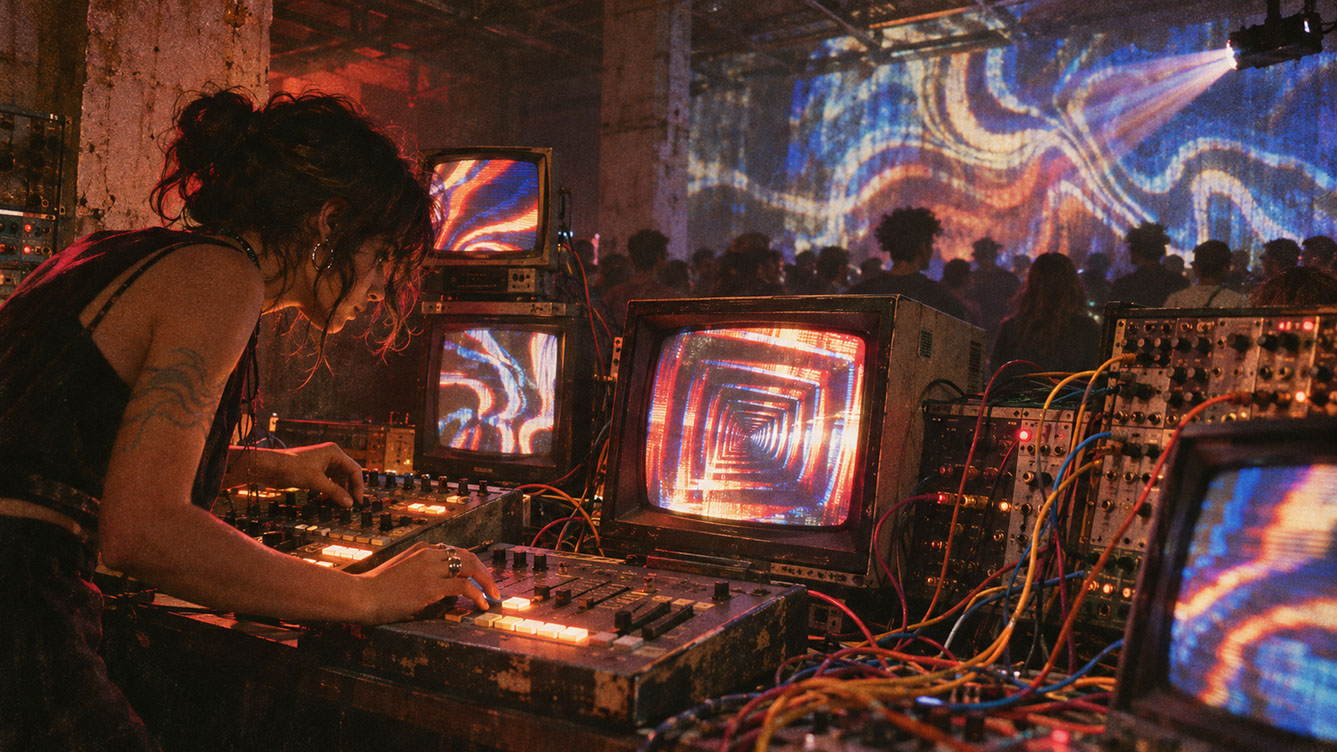
Picture this: a dimly lit warehouse venue, bass rumbling through the concrete floor, and a visual artist hunched over a table covered not with laptops but with a tangle of cables, worn analogue mixers, and glowing vacuum tubes. Their hands move instinctively across physical knobs and faders whilst phosphor trails bloom and spiral across a vintage CRT monitor, creating imagery that no plugin could ever convincingly replicate. This is the tactile rig in action, and it represents one of the most fascinating counter-movements in contemporary visual performance.
In an era where every digital image can be polished to perfection, where AI inference engines generate millions of pristine pixels on demand, something unexpected is happening. Leading experimental visualists are deliberately turning away from hyper-clean rendering and embracing the beautiful chaos of physical video synthesis. They are rediscovering the magic of LZX modular systems, Eurorack video modules, scan processors, and the warm phosphor glow of cathode ray tubes.
This episode explores why this resurgence is happening now, what hardware defines the modern tactile rig, how to bridge analogue and digital domains effectively, and practical techniques for capturing controlled chaos whilst maintaining enough reliability for professional live performance.
 🔍 PLATE 01 — CLICK TO EXPAND
Plate 01 — Introduction — The Organic Warmth of Phosphor Bloom and Analogue Video Imperfection: Plate 01 (Introduction — Warmth of Imperfection): Why physical electrons hitting phosphor glass create emotional resonance that sterile digital shaders cannot fake.
The Rebellion Against Perfect Pixels
Why Imperfection Matters Now
Here is the uncomfortable truth that digital artists are increasingly confronting: when every tool optimises toward clarity, sharpness, and pristine colour accuracy, everything starts to look the same. The procedural generation we explored in Episode 1 and the neural inference pipelines from Episode 2 offer extraordinary power, but they can develop a recognisable 'digital sameness' that audiences increasingly sense, even if they cannot articulate it.
Every software pipeline applies anti-aliasing, colour correction, and noise reduction by default. Every render engine strives for photorealism. The result is visual content that, whilst technically impressive, often lacks the organic unpredictability that captures genuine emotional attention.
This is where physical video synthesis enters the conversation. Noise, delay, and colour drift become features rather than flaws. Unpredictable feedback becomes a source of discovery rather than a bug to eliminate. The tactile relationship between performer and visual output creates a fundamentally different creative dynamic—one where the machine pushes back, surprises you, and demands genuine improvisation.
The Renewed Hardware Interest
The community around LZX Industries modular video synthesisers has grown substantially over recent years. These systems treat video signals with the same patch-and-play philosophy that audio synthesists have enjoyed for decades. Meanwhile, Eurorack video modules are bridging the gap between audio synthesis communities and visual performance, creating exciting cross-pollination between disciplines.
Circuit-bent equipment—modified camcorders, glitched mixers, and hacked scan processors—has evolved from curious experimentation into legitimate performance instrumentation. Vintage equipment that might have been destined for landfill is being rescued and transformed into unique visual instruments, each with its own distinctive character and quirks.
 🔍 PLATE 02 — CLICK TO EXPAND
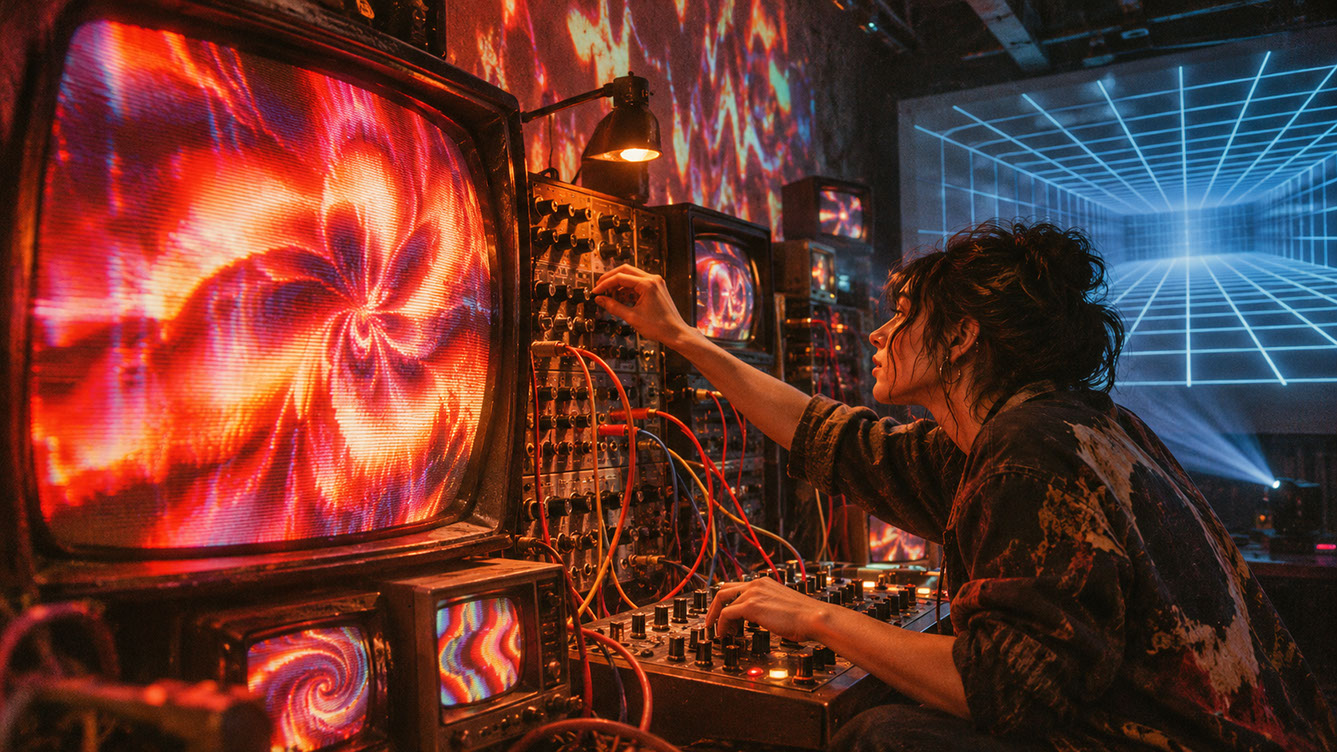
Plate 02 — The Rebellion Against Perfect Pixels — Choosing Physical Signal Grit Over Sterile 8K Renders: Plate 02 (Rebellion Against Perfect Pixels): How visible signal degradation and physical hardware quirks restore urgency and authenticity to live visuals.
The Hardware Landscape: Building Blocks of the Tactile Rig
LZX Modular Video Synthesisers
LZX Industries has established itself as the cornerstone of the modular video synthesis movement. Their ecosystem operates on similar principles to audio Eurorack systems but processes signals at video rate—approximately a thousand times faster than audio frequencies. This speed difference creates unique challenges and opportunities.
The LZX module catalogue divides into several key categories: generators that create basic waveforms and patterns, processors that modify and transform signals, and compositors that combine multiple sources. Understanding these categories helps newcomers navigate the system without becoming overwhelmed.
For those just starting, a small system comprising a sync generator, a video input module, a simple processor, and an output encoder provides an excellent foundation. Experienced builders can expand into complex, multi-source configurations that rival professional broadcast equipment in capability, if not in pristine digital precision.
Eurorack Video Integration
One of the most exciting developments in recent years is the integration of video modules within broader Eurorack systems. This allows artists to cross-modulate between audio and video synthesis—using envelope followers from audio patches to control video parameters, or feeding video-rate signals back into audio processing for unexpected sonic textures.
The critical consideration here is timing and synchronisation. Video signals require precise sync pulses to maintain stable imagery, and integrating with audio-rate modules demands careful attention to signal conditioning and timing relationships.
Scan Processors and Their Visual Signatures
Scan processors manipulate the fundamental scanning pattern that creates video images. By warping, delaying, or recursively feeding these scan patterns, they create distinctive distortion, feedback, and motion effects that are extraordinarily difficult to replicate digitally.
Classic units like the Jones Raster Scan and various DIY designs have developed cult followings precisely because each unit produces slightly different results. This variation, anathema to digital standardisation, becomes a valued characteristic in the analogue world.
CRT Monitors and Phosphor Characteristics
The cathode ray tube monitor is perhaps the most iconic element of the tactile rig. CRT behaviour differs fundamentally from LCD or LED displays in ways that matter enormously for visual performance.
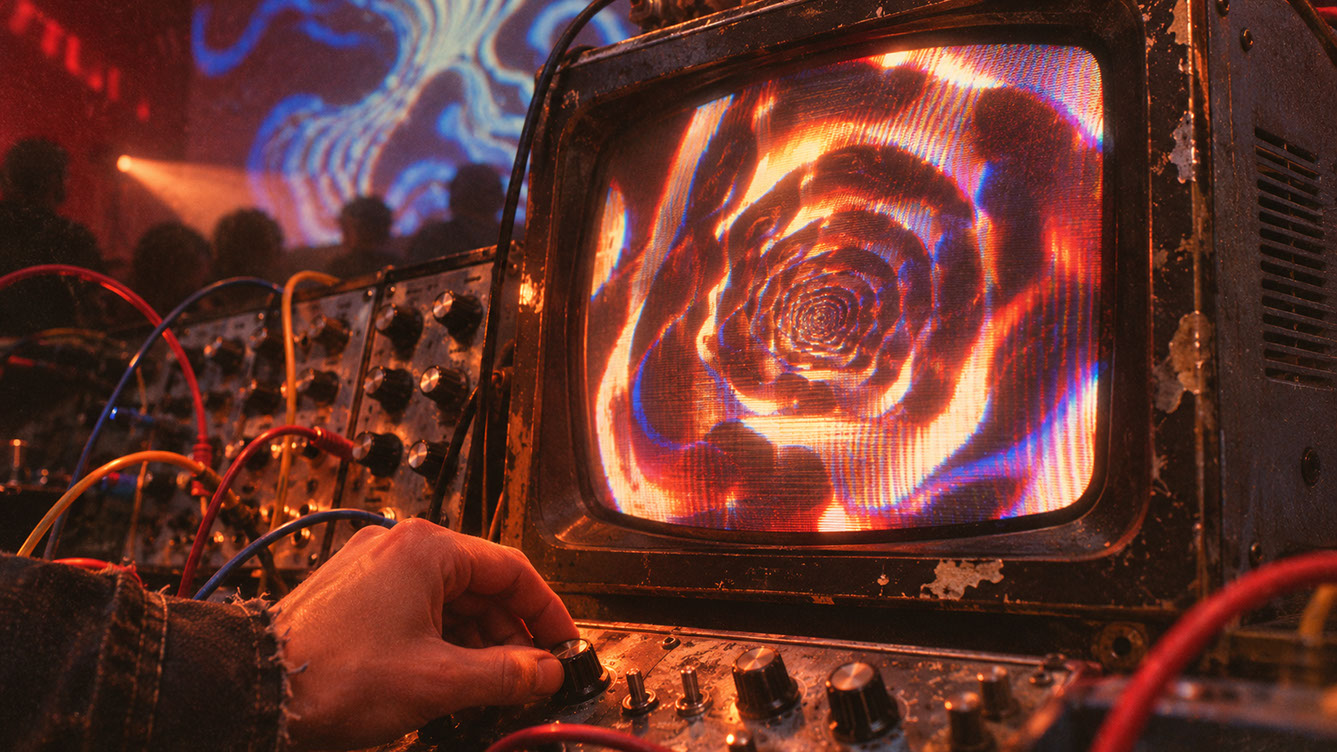
Phosphor persistence creates natural motion blur and temporal layering. Different phosphor types produce distinct colour characteristics and decay rates. The electron beam's physical interaction with the phosphor coating generates soft edges, subtle blooming, and organic colour bleeding that digital displays simply cannot replicate.
Sourcing functioning CRT monitors requires patience and careful testing. These devices are no longer manufactured, so the global supply is finite and diminishing. Proper maintenance, including degaussing, capacitor replacement, and careful handling, extends their usable lifespan significantly.
Camcorders and Circuit-Bent Equipment
Vintage camcorders offer their own aesthetic vocabulary: low resolution with characteristic compression artefacts, idiosyncratic colour science, and automatic exposure adjustments that create unexpected visual responses to changing content.
Circuit bending—the creative modification of electronic equipment—opens even more possibilities. By introducing controlled short-circuits, component swaps, and external control points, artists transform consumer electronics into unique performance instruments. Safety considerations are paramount here: mains voltage equipment requires extreme caution, and modifications should focus on low-voltage signal paths.
 🔍 PLATE 03 — CLICK TO EXPAND
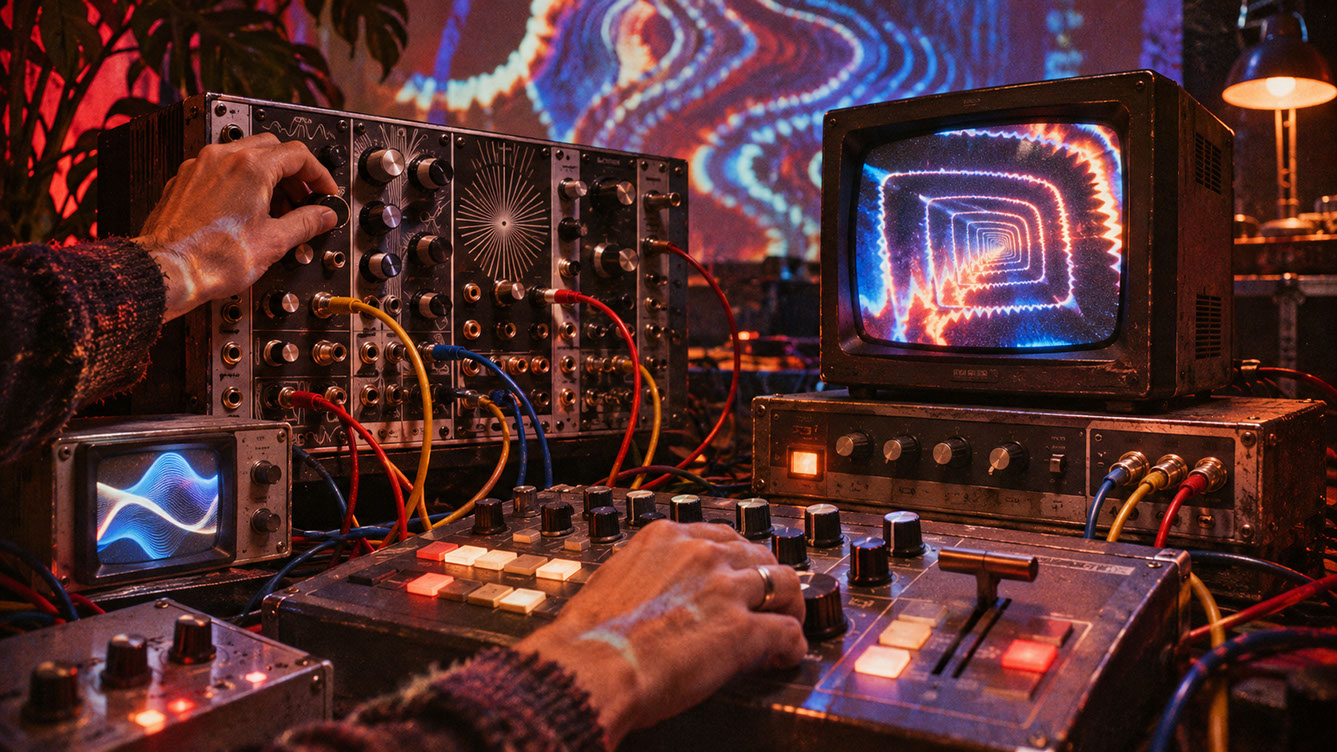
Plate 03 — The Hardware Landscape — LZX Modular Video Synths, Sony PVM CRTs & Circuit-Bent Mixers: Plate 03 (Hardware Landscape): The core building blocks of a 2027 hybrid analogue-digital video synthesis and optical rescanning rig.
Bridging Analogue and Digital Domains
Primary Signal Flow Pattern
The most common tactile rig configuration follows a signal path that bridges both worlds effectively:
Camcorder or HDMI camera feeds into an analogue mixer or video synthesiser, which routes through a CRT monitor configured for feedback, then through a scan processor, captured via a quality capture card, processed further in TouchDesigner or Resolume, distributed via Spout or NDI, and finally sent to LED processors for venue display.
Each stage serves a specific function. The analogue section provides organic texture and unpredictability. The capture card translates this into digital signals. The software stage enables compositing, additional effects, and output management. The LED processor handles the final venue display.
Hybrid Signal Flow Pattern
A more sophisticated approach uses control voltage from Eurorack systems converted to MIDI or OSC messages that drive parameters within TouchDesigner. This maintains the tactile, hands-on relationship with physical hardware whilst leveraging digital compositing power.
You might route Eurorack CV through a MIDI/OSC converter to control TouchDesigner parameters, composite digitally generated elements with captured analogue footage, and output the hybrid result to your venue display system.
Critical Conversion Points
The analogue-to-digital capture stage is crucial. Decisions about resolution, frame rate, and colour space significantly impact the final aesthetic. Many artists deliberately capture at lower resolutions to preserve the character of their analogue sources rather than upscaling and losing distinctive texture.
Latency accumulates across the chain, so monitoring total system delay and maintaining realistic expectations is essential. Sync between analogue and digital sections requires attention—genlock or careful frame timing prevents drift and tearing.
 🔍 PLATE 04 — CLICK TO EXPAND
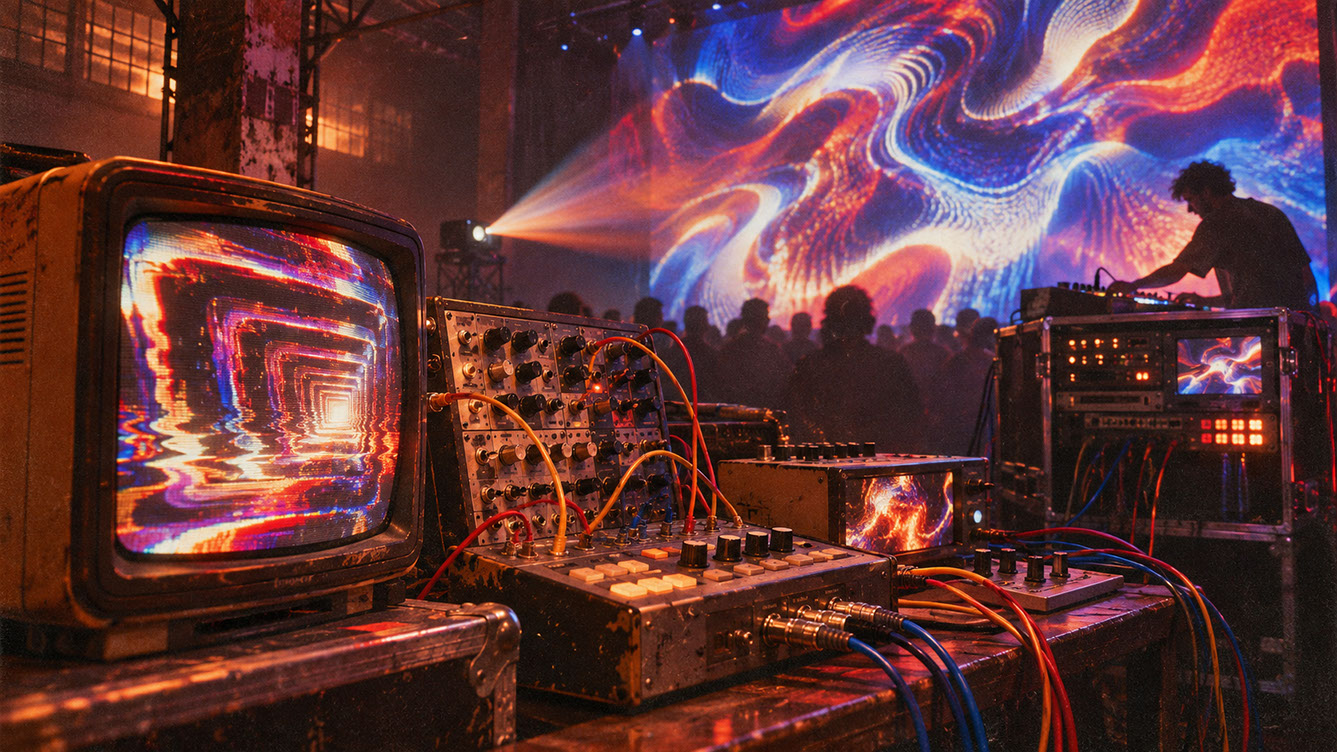
Plate 04 — Bridging Analogue and Digital Domains — Downscalers, TBCs, and Low-Latency Capture Cards: Plate 04 (Bridging Analogue & Digital): Sending digital geometry out to composite analogue circuits and recapturing the distressed signal at 60 FPS.
The Vocabulary of Imperfection
Phosphor Trails and Feedback Spirals
CRT phosphor decay creates natural trails and ghosting that digital processing can only approximate. Exploiting this persistence for temporal layering—where previous frames linger and interact with new content—produces depth and motion quality unique to this medium.
Feedback spirals emerge when a camera captures its own output display, creating recursive imagery that zooms, rotates, and colour-shifts with each iteration. Controlling spiral rate, colour transformation, and zoom depth requires practice but rewards experimentation generously.
Signal Degradation as Aesthetic Choice
Crushed blacks, luminance clipping, scan-line interference, chromatic separation, and temporal drift all become deliberate aesthetic tools rather than problems to solve. Understanding which degradation serves your creative intent—and which simply reads as broken—separates sophisticated analogue work from random noise.
Contrast Strategies
Some of the most compelling tactile rig work juxtaposes clean digital geometry against deteriorating analogue texture. Using digitally rendered elements as seeds for analogue processing creates visual tension that neither approach achieves alone.
 🔍 PLATE 05 — CLICK TO EXPAND
Plate 05 — The Vocabulary of Imperfection — Optical Feedback Tunnels, Sync Dropouts & Chroma Bleed: Plate 05 (Vocabulary of Imperfection): Mastering the expressive visual grammar of optical feedback, voltage overdrive, and colour-burst phase shifts.
Performing with Unpredictable Systems
Pre-Performance Preparation
The key to reliable chaos is documentation. Before every performance, record several feedback states as 'known unstable' presets—configurations that produce interesting results within predictable boundaries. Document the physical settings that create these states so you can return to them under pressure.
Tactile Control Strategies
Using hardware mixers or tactile controllers for crossfades creates muscle memory that proves invaluable in dark venues. Map physical knobs to critical parameters, and practise until your hands know the rig without visual confirmation.
Dark Venue Troubleshooting
Label every connection clearly using tape, colour coding, and tactile markers. When signals fail in a dark venue during a live set, preparation rewards you enormously. Know your signal flow intimately so you can troubleshoot by touch and logic rather than sight.
 🔍 PLATE 06 — CLICK TO EXPAND
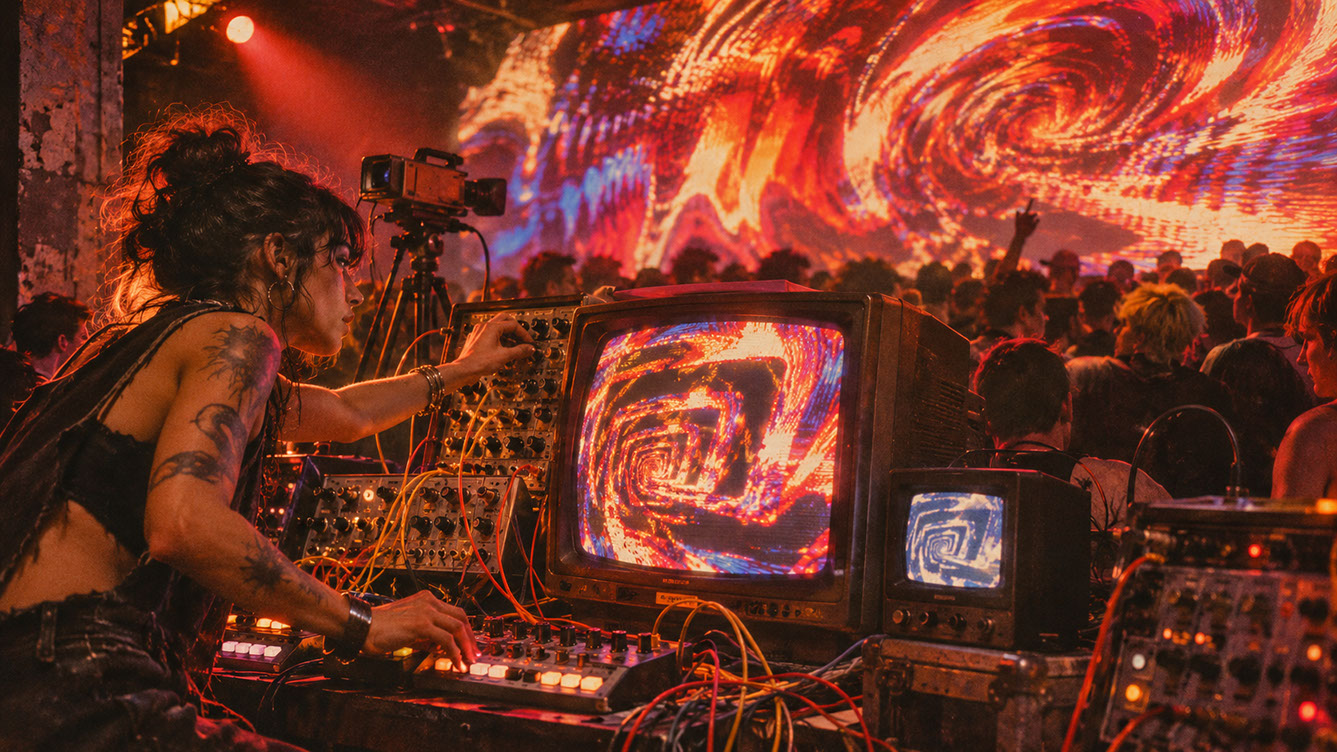
Plate 06 — Performing With Unpredictable Systems — Riding the Edge of Chaos on a Live Modular Patch: Plate 06 (Performing With Unpredictable Systems): Cultivating muscle memory and sync-stabilisation paths to improvise safely with volatile analogue circuits.
Cross-Disciplinary Applications
For DJs
Treat the feedback rig like an effects send for your visuals. Route drum machines or audio stems into modulation inputs. Use audio signals as control sources, syncing visual feedback intensity to musical energy for genuinely reactive performance.
For Motion Designers
Apply your existing compositing knowledge—blend modes, masks, luminance keys—to the hardware world. Use rendered digital assets as source material for analogue processing. Think of hardware as a finishing process that adds organic character to digital precision.
 🔍 PLATE 07 — CLICK TO EXPAND
Plate 07 — Cross-Disciplinary Applications — CRT Stacks as Physical Stage Sculptures & Album Visualisers: Plate 07 (Cross-Disciplinary Applications): Deploying physical CRT stacks and rescan textures across stage scenography, music videos, and gallery installations.
Conclusion: Embracing Authentic Imperfection
Physical video synthesis offers qualities that remain extraordinarily difficult to fake convincingly in software. Hybrid analogue-digital rigs provide both authenticity and reliability. Preparation and documentation enable controlled chaos in performance. The aesthetic of imperfection serves as deliberate counter-programming to digital polish.
If this approach intrigues you, start small. Perhaps a single piece of vintage equipment—a cheap camcorder, a found CRT monitor—captured into your existing digital chain. Experiment with introducing authentic imperfection into your visual vocabulary and discover what digital tools cannot replicate.
The tactile rig is not about rejecting digital technology. It is about expanding your palette, adding physical unpredictability to complement digital precision, and ultimately creating visual experiences that feel genuinely alive.
 🔍 PLATE 08 — CLICK TO EXPAND
Plate 08 — Conclusion — Embracing Authentic Hardware Imperfection in the 2027 Visual Landscape: Plate 08 (Conclusion — Authentic Imperfection): Uniting analogue soul and digital precision to build an unmistakable visual signature.
⚡ 5 Strategies to Consider
STUDIO PLAYBOOK // 5 DIRECTIVES❓ Frequently Asked Questions — 5 Q&As (5 Q&As)
SCHEMA.ORG/FAQPAGE // 5 Q&As (5 Q&As)Q1. Is vintage CRT equipment reliable enough for professional live performance?
CRT monitors can be reliable for professional use with proper maintenance, including regular degaussing, capacitor checks, and careful transport. However, building redundancy into your setup is essential—always have a digital bypass ready so your show can continue if hardware fails. Many professional visualists use CRTs as texture sources captured into digital systems rather than as primary outputs, reducing risk whilst preserving the aesthetic.
Q2. What is the minimum investment to start with modular video synthesis?
You can begin with a modest system comprising a sync generator, a video input module, a basic processor, and an output encoder. Building incrementally allows you to learn each component thoroughly before expanding. Many artists start with just one or two modules alongside existing digital tools, using capture cards to integrate analogue textures into their current workflow before committing to a larger system.
Q3. Can I achieve similar aesthetics with software plugins instead of hardware?
Software can approximate some analogue characteristics, but physical processes produce qualities that remain difficult to convincingly replicate digitally. The organic unpredictability of feedback loops, phosphor persistence, and electrical signal degradation creates results that change with temperature, age, and countless subtle variables. Many artists find that even sophisticated plugins lack the living, responsive quality of genuine hardware.
Q4. How do I integrate hardware video synthesis with my existing digital workflow?
A quality capture card is your bridge between worlds. Route your analogue output through the capture device into software like TouchDesigner or Resolume via Spout or NDI. This lets you composite analogue textures with digital elements, apply additional processing, and manage output to venue display systems. Pay attention to colour space settings and frame rates to preserve your analogue character.
Q5. Where should I source vintage CRT monitors and analogue video equipment?
Vintage equipment appears through various channels: electronic recycling centres, estate sales, online marketplaces, and specialist forums dedicated to video synthesis and retro technology. Always test equipment thoroughly before purchase when possible, checking for stable sync, colour accuracy, and signs of capacitor failure. Building relationships with local repair technicians can help you restore and maintain found equipment.
EXPLORE RELATED STUDIO TAGS (6):
Glad this piece sparked something — want the matching 4096×4096px .ZIP pack?
Enter your email below for an instant direct download of Studio Seamless Pattern Pack — Drop 01 (WPAY_DROP01.zip) plus new Studio Journal essays & free drops.